
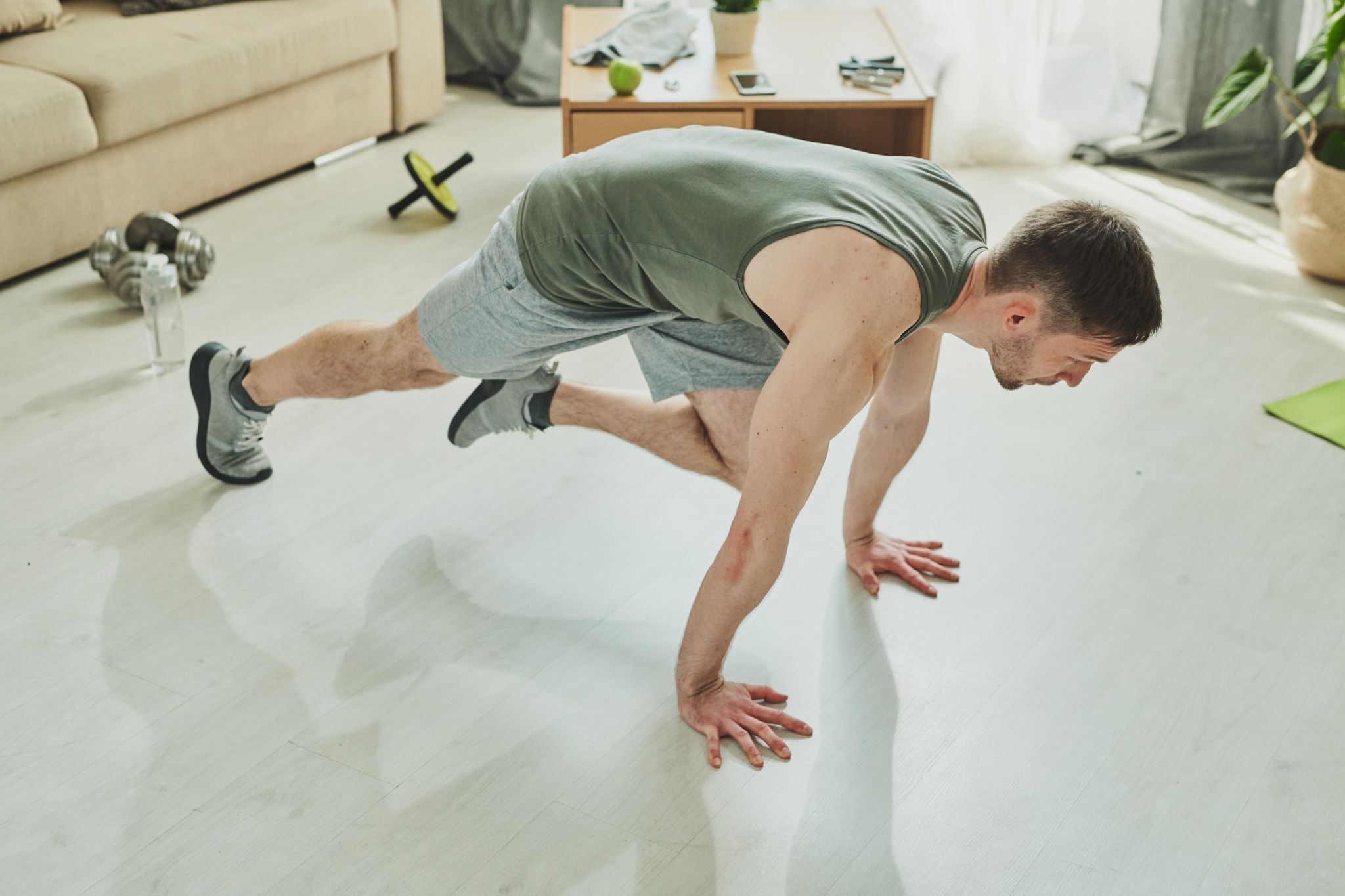
Starting a home workout can feel overwhelming. Many beginners struggle with where to start, how to structure routines, or how to stay motivated. The key is simplicity. A home workout plan for beginners focuses on consistency, proper form, and gradual progression rather than intensity. Even 20 to 40 minutes per day can improve strength, flexibility, endurance, and overall fitness.
Exercising at home offers convenience, privacy, and flexibility. You don’t need a gym membership or fancy equipment. With a structured approach, beginners can build confidence, prevent injuries, and develop a lifelong habit of physical activity.
Why a Beginner-Friendly Home Workout Matters
A structured home workout routine provides a roadmap for beginners. Without guidance, it’s easy to overdo exercises, neglect important muscle groups, or lose motivation. A well-designed plan allows beginners to focus on building foundational strength, improving posture, boosting cardiovascular health, and enhancing mobility.
Consistency is more important than intensity. Daily habits, even small ones, accumulate over time and lead to measurable results. A beginner-friendly routine should emphasize gradual improvement, encouraging realistic goals and celebrating small wins along the way.
Assessing Your Fitness Level Before You Begin
Before starting, understanding your baseline fitness is essential. Beginners can evaluate strength, flexibility, and endurance with simple exercises. Test push-ups, squats, or lunges for strength. Stretch to gauge flexibility. Walk or climb stairs to assess endurance.
Setting realistic goals ensures progress without frustration. Beginners might aim to complete three 30-minute sessions weekly, increase push-ups, or improve balance. Overestimating your capabilities can lead to burnout or injury. Consulting a healthcare professional is recommended, especially if there are pre-existing conditions. Safety and gradual adaptation are key to long-term success.
Components of a Balanced Home Workout Plan
A beginner’s home workout plan should include cardiovascular exercises, strength training, flexibility and mobility work, and rest. Cardio improves heart health, stamina, and energy levels. Strength training develops muscles, supports joints, and boosts metabolism. Flexibility exercises prevent injury and enhance daily function. Recovery days are crucial to allow muscles to repair and prevent burnout.
A typical session includes a 5–10 minute warm-up, 20–30 minutes of main exercises, and a 5–10 minute cool-down. This structure ensures safe, effective workouts and helps beginners develop a sustainable routine.
Sample Weekly Home Workout Routine for Beginners
Here’s an example of a week-long home workout plan for beginners:
-
Day 1: Full-Body Strength and Core – Squats, push-ups, lunges, planks
-
Day 2: Low-Impact Cardio and Mobility – Brisk walking, marching in place, light stretches
-
Day 3: Active Recovery – Yoga or gentle stretching for flexibility
-
Day 4: Upper Body Strength – Resistance band rows, shoulder presses, bicep curls
-
Day 5: Cardio Intervals and Core – Alternating 1–2 minutes of moderate cardio with 30–60 seconds rest; add crunches and leg raises
-
Day 6: Lower Body Strength and Balance – Glute bridges, step-ups, lunges, single-leg balance exercises
-
Day 7: Rest or Light Activity – Optional walks, mobility drills, or stretching
This plan balances strength, cardio, and recovery, ensuring beginners work all major muscle groups without overexertion. Progress can be gradual by increasing repetitions, duration, or resistance weekly.
Essential Equipment for Home Workouts (Optional)
Although minimal equipment is required, some items make the routine more versatile and effective. Resistance bands, light dumbbells, yoga mats, or stability balls can enhance strength and core exercises. Household items such as water bottles or sturdy chairs can also serve as alternatives. The most important factor is consistency, not equipment. Beginners can achieve meaningful results with just bodyweight exercises.
Tips to Stay Motivated and Consistent
Motivation often determines long-term success. Creating a dedicated workout space free from distractions encourages routine. Tracking progress using journals, apps, or wearable devices provides accountability and helps visualize improvements. Music, timers, and short-term goals can make workouts more engaging. Celebrating small milestones—like mastering proper push-up form or completing a week without skipping workouts—reinforces commitment and builds confidence.
Even short, daily workouts are better than sporadic, intense sessions. Over time, consistent effort leads to noticeable improvements in energy, strength, and well-being.
Common Mistakes Beginners Make and How to Avoid Them
Beginners frequently make mistakes that hinder progress. Skipping warm-ups or cool-downs increases injury risk. Poor form reduces the effectiveness of exercises and may strain muscles or joints. Overtraining without rest leads to fatigue, while unrealistic expectations can cause discouragement. Tracking progress ensures you stay aware of improvements, which motivates continued adherence. Awareness and prevention of these common errors are essential for building a sustainable home workout habit.
Progression Strategies for Long-Term Success
As fitness improves, gradually increase intensity, repetitions, or exercise duration. Switching exercises targets different muscle groups and prevents plateaus. Setting new, realistic goals keeps motivation high. For example, increase plank hold time, add extra squats, or walk an additional 5–10 minutes daily. Adapting routines ensures steady improvement while avoiding overexertion. Long-term success comes from incremental, consistent progress rather than rapid, unsustainable changes.
Conclusion
A home workout plan for beginners provides a safe, flexible, and effective way to improve fitness. By combining strength, cardio, flexibility, and recovery, adults can build a strong foundation for long-term health. Starting with achievable goals, tracking progress, and maintaining consistency leads to measurable results.
Small, daily actions compound over time. By committing to a structured plan, beginners can develop energy, confidence, improved strength, and lasting wellness. The key is to start simple, stay consistent, and gradually increase intensity. Home workouts can be empowering, enjoyable, and transformative when approached strategically.
Frequently Asked Questions
Q1: How long should beginner home workouts last?
Sessions of 20 to 40 minutes, including warm-up and cool-down, are ideal for beginners. Consistency matters more than duration initially.
Q2: Do I need equipment for a beginner home workout?
No. Bodyweight exercises like squats, lunges, push-ups, and planks are effective. Optional resistance bands or dumbbells can enhance progress.
Q3: How many days a week should beginners exercise at home?
Three to five days per week is recommended, alternating between strength, cardio, and recovery for balanced fitness.
Q4: How can I avoid injury as a beginner?
Warm up properly, focus on correct form, avoid overexertion, and include rest days. Listening to your body prevents strain and fatigue.
Q5: Can home workouts improve overall fitness like a gym routine?
Yes. Structured home workouts can improve strength, endurance, flexibility, and cardiovascular health, especially for beginners building foundational fitness.