
Oral health is an essential aspect of overall well-being, influencing not only how we eat and speak but also our confidence and social interactions. Over time, various factors such as age, injury, and decay can compromise oral health, necessitating effective solutions to restore functionality and aesthetics. This article delves into some of the most durable and reliable dental solutions available today, focusing on tooth crowns, dental implants, and other restorative options that help maintain optimal oral health.
Tooth Crowns: A Protective Shield
Tooth crowns are a popular choice for restoring damaged or decayed teeth, offering a protective shield that enhances both strength and appearance. These crowns are essentially caps placed over a tooth to restore its shape, size, and function. Made from materials such as porcelain, ceramic, or metal, tooth crowns are designed to blend seamlessly with natural teeth while providing robust protection. They are particularly beneficial for teeth that have undergone root canal treatment or have large fillings. By encasing the tooth, crowns not only improve aesthetics but also prevent further decay and damage, making them a reliable solution for long-term dental health.
Dental Implants: A Permanent Solution
Dental implants are considered one of the most effective solutions for replacing missing teeth, offering a permanent and natural-looking alternative to dentures. Comprising a titanium post surgically inserted into the jawbone, dental implants provide a stable foundation for artificial teeth. This integration with the bone ensures that dental implants are incredibly durable and can last a lifetime with proper care. Unlike traditional dentures, implants do not slip or cause discomfort, making them a preferred choice for many patients. The success of dental implants largely depends on maintaining good oral hygiene and regular dental check-ups, ensuring they remain a reliable solution for those seeking to restore their smile and functionality.
Bridges: Spanning the Gap
Dental bridges are another effective solution for replacing one or more missing teeth. They literally “bridge” the gap created by missing teeth, using adjacent teeth as anchors. A bridge consists of two or more crowns for the teeth on either side of the gap, with a false tooth or teeth in between. These can be made from various materials, including porcelain and metal, ensuring they match the natural color and appearance of surrounding teeth. Bridges are a cost-effective solution compared to implants and provide a stable alternative for restoring chewing and speaking functions. However, their success relies on the health and strength of the surrounding teeth, which act as support for the bridge.
Veneers: Enhancing Aesthetics
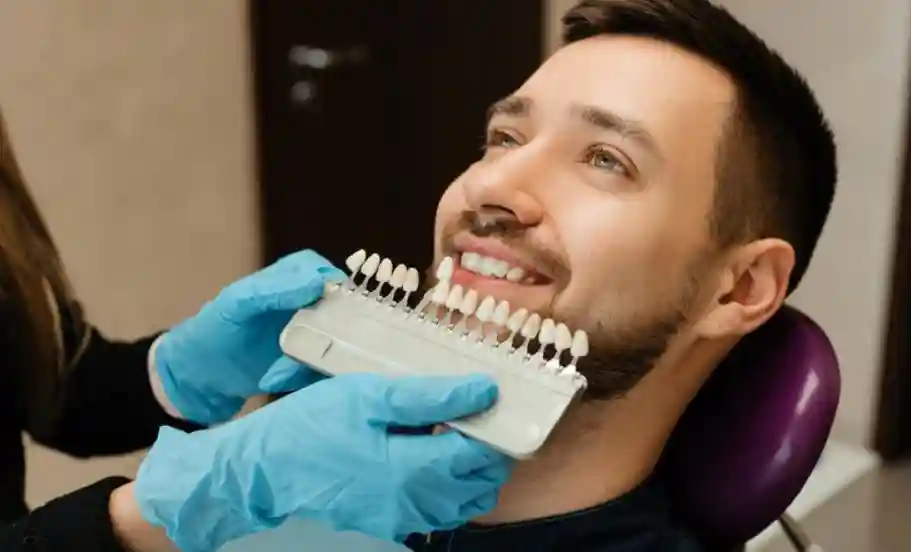
For those looking to improve the appearance of their smile, veneers offer a cosmetic solution that can address issues such as discoloration, chips, or minor misalignments. Veneers are thin shells of porcelain or composite resin that are bonded to the front of the teeth, providing a natural and aesthetically pleasing look. They are custom-made to fit each individual’s teeth, ensuring a perfect match. Veneers are less invasive compared to crowns and implants, but they require some removal of the enamel, making them a semi-permanent solution. With proper care, veneers can last for many years, significantly enhancing the visual appeal of one’s smile.
Dentures: A Traditional Approach
Dentures have long been a staple in restorative dentistry, offering a removable solution for those with multiple missing teeth. Available as full or partial sets, dentures are crafted to fit snugly over the gums, providing a functional replacement for lost teeth. While modern advancements have made dentures more comfortable and natural-looking, they do require regular maintenance and adjustments to ensure a proper fit. Despite being less stable than implants, dentures remain a practical option for many individuals, especially those seeking a non-surgical alternative.
Conclusion
In conclusion, restoring oral health is a multifaceted approach that requires careful consideration of individual needs and preferences. Whether opting for tooth crowns, dental implants, or other restorative solutions, consulting with a dental professional is crucial in determining the most suitable option. By investing in durable and reliable dental solutions, individuals can enjoy improved oral health, enhanced functionality, and a boost in confidence, ultimately leading to a better quality of life.